How to Handle a Minor Plumbing Emergency
Essential Tips for First-Time Homeowners
Buying a home is an exciting milestone—but it also comes with new responsibilities, especially when something goes wrong. One of the most common first challenges for new homeowners is dealing with a minor plumbing emergency. Whether it’s a leaky pipe, overflowing toilet, or dripping faucet, knowing what to do in those first few minutes can prevent serious water damage and save you hundreds of dollars in repairs.
Here’s your complete guide to handling plumbing issues quickly and safely—from finding your shutoff valves to applying simple DIY plumbing fixes.
Step 1: Stay Calm and Assess the Situation
The first rule of any plumbing emergency? Don’t panic. Take a moment to identify where the problem is coming from. Is it a single fixture (like a sink or toilet), or is water coming from a pipe or wall? The source will determine which valve to shut off and what tools you’ll need for a temporary fix.
Step 2: Find and Use the Shutoff Valves
Knowing where your water shutoff valves are—and how to operate them—is the key to stopping a plumbing emergency in its tracks.
Fixture Shutoff Valves
Each plumbing fixture (like sinks, toilets, and washing machines) has its own fixture shutoff valve.
- Where to find them: Under sinks, behind toilets, or near appliances.
- How to use: Turn the valve clockwise to stop the water flow to that specific fixture.
This allows you to work on the problem area without cutting water to your entire home.
Main Water Shutoff Valve
For major leaks or pipe bursts, you’ll need to shut off water to the entire home.
- Where to find it: Near where the main water line enters your house—often in the basement, garage, or near the water meter outside.
- How to use: Turn the valve clockwise or use a wrench for older, gate-style valves.
Once the water is off, open a faucet at a lower level of your home (like a basement sink) to drain excess water from the lines.
💡 Pro Tip: Find and label your shutoff valves now before an emergency strikes. Use a waterproof marker or tags to make them easy to identify.
Step 3: Apply Simple DIY Plumbing Fixes
After you’ve stopped the flow of water, focus on temporary fixes to limit damage and prevent further leaking until a plumber can make permanent repairs.
Leaking Pipes
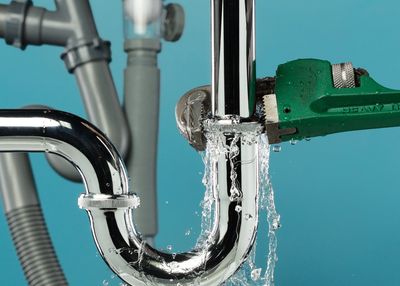
- Tighten loose fittings with a wrench (carefully—over-tightening can cause more harm).
- Wrap the leak area with plumber’s tape, rubber and hose clamps, or epoxy putty for a short-term seal.
- In a pinch, even duct tape or an old rag secured tightly can help contain the leak temporarily.
Clogged or Overflowing Toilet
- Turn off the toilet shutoff valve (located behind the toilet near the floor).
- Use a plunger for simple clogs.
- Avoid chemical drain cleaners, which can damage pipes. Instead, try hot water and dish soap or baking soda or a plumbing snake to clear stubborn blockages.
Dripping Faucet
- Shut off the water supply under the sink.
- Check if a worn-out washer or O-ring needs replacement.
- Place a bucket or towel under the faucet to catch any remaining drips.
These small DIY plumbing fixes can buy you time until a professional arrives—and help you learn the basics of home maintenance along the way.
Step 4: Contain Water Damage
Even small leaks can lead to big problems if water isn’t cleaned up quickly.
- Use towels, mops, or a wet/dry vacuum to remove standing water.
- Run fans and dehumidifiers to help dry the area.
- If water has soaked drywall or flooring, contact a professional to inspect for hidden moisture or mold.
Step 5: When to Call a Plumber
While it’s great to handle minor issues yourself, some situations require professional help. Call a licensed plumber if:
- The leak is behind a wall or ceiling.
- Water pressure is low throughout the entire house.
- Sewage is backing up into sinks or tubs.
- The main shutoff valve doesn’t work or is leaking.
💡 Pro Tip: Having a trusted emergency plumber’s contact info on your fridge or phone can save time in a true crisis.
Step 6: Prevent Future Plumbing Emergencies
A little proactive care keeps plumbing disasters at bay. Here are some home plumbing maintenance tips for new homeowners:
- Inspect visible pipes twice a year for rust, drips, or corrosion.
- Never pour grease or oil down the drain.
- Avoid flushing wipes, paper towels, or feminine hygiene products (even “flushable” ones).
- Insulate pipes in unheated areas to prevent freezing in winter.
- Test your shutoff valves every few months to make sure they still turn easily.
Regular attention can help you avoid future plumbing surprises—and expensive repairs.
Final Thoughts: Be a Prepared Homeowner
Every homeowner faces plumbing issues eventually, but the difference between damage and a quick fix is knowing what to do right away. By familiarizing yourself with your shutoff valves, keeping a few basic plumbing tools on hand, and learning a couple of DIY plumbing tricks, you’ll handle small emergencies like a seasoned pro. Owning a home is about more than paying the mortgage—it’s about maintaining it confidently. With these home plumbing tips, you’ll protect your property, your wallet, and your peace of mind.