A Homeowner’s Guide to Insulation and Draft Reduction
When it comes to keeping your home comfortable and your energy bills low, few upgrades make as big an impact as proper insulation and draft reduction. Whether you’re in a new home or an older one, understanding how insulation works and how to identify and seal air leaks can drastically improve your home’s energy efficiency and year-round comfort.
Why Insulation Matters
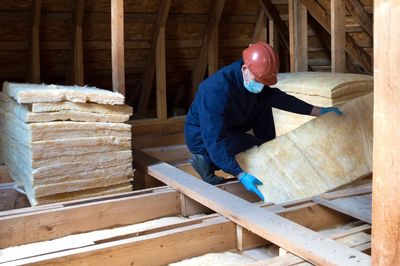
Insulation acts as your home’s thermal barrier—keeping warm air inside during winter and hot air out during summer. Without sufficient insulation, your heating and cooling systems must work harder to maintain the right temperature, leading to higher utility costs and uneven indoor comfort.
Key benefits of proper insulation include:
- Lower heating and cooling bills
- Reduced strain on HVAC systems
- More consistent indoor temperatures
- Increased home value and comfort
- Lower carbon footprint
Common Types of Household Insulation
Different areas of your home require different insulation materials. The table below shows a breakdown of common options and where they work best. The R-value measures insulation effectiveness—the higher, the better. Choose materials and thicknesses suited for your local climate and building type.
Reducing Drafts and Air Leaks
Even the best insulation won’t perform well if outside air seeps into your home. Air sealing is the secret weapon for reducing drafts and improving energy efficiency.
Common Draft Sources
- Gaps around doors and windows
- Cracks in baseboards or molding
- Leaky attic hatches
- Unsealed ductwork
- Gaps around plumbing or electrical outlets
Simple Draft-Fighting Fixes
- Weatherstrip doors and windows: Use foam, felt, or rubber stripping to block leaks.
- Seal with caulk: Fill small cracks and joints where air can pass through.
- Add door sweeps: Prevent cold air from slipping under exterior doors.
- Insulate outlets and switches: Use foam gaskets behind faceplates on exterior walls.
- Check your attic and basement: Air often escapes through these hidden areas—seal around pipes, vents, and chimneys.
A home energy audit can help locate problem areas using infrared imaging or blower door tests. Many utility companies offer these audits at little or no cost.
Improving Overall Energy Efficiency
Once your insulation and air sealing are handled, consider a few additional steps to maximize your home’s efficiency:
- Upgrade windows: Choose double-pane or low-E glass for better insulation.
- Seal and insulate ducts: Especially in unconditioned spaces like attics or crawlspaces.
- Use smart thermostats: Automate heating and cooling to avoid wasted energy.
- Add attic ventilation: Helps regulate temperature and prevent moisture buildup.
- Install thermal curtains or blinds: Keep heat in during winter and out in summer.
These changes not only reduce your monthly energy costs but also create a healthier indoor environment with fewer drafts and temperature swings.
Seasonal Insulation and Draft Checkup
To keep your home performing at its best, inspect insulation and air sealing twice a year—ideally in spring and fall. Look for signs like uneven room temperatures, cold spots, or rising energy bills. Replacing worn weatherstripping or adding more insulation can make a noticeable difference in comfort and cost.
Final Thoughts
Improving your home’s insulation and sealing drafts is one of the smartest long-term investments you can make. It pays off through lower utility bills, greater comfort, and a reduced environmental impact. Whether you DIY with caulk and foam or hire a professional for attic insulation, the key is stopping energy loss at the source.
