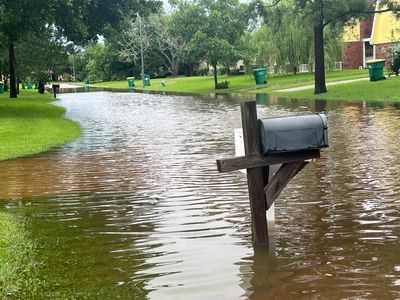
Home Flood Prevention
How to Prepare for a Minor Flood Emergency
Flooding can happen anywhere—from heavy rainfall and snowmelt to burst pipes or poor drainage. Even minor flooding can cause expensive water damage, mold growth, and structural issues. For homeowners, flood preparedness isn’t just for “flood zones.” Here’s how to protect your home and stay ready for a minor flood emergency.
1. Start with Flood Prevention Basics
- Inspect your foundation and basement: Seal any visible cracks with waterproof caulk or hydraulic cement to prevent water seepage.
- Clean gutters and downspouts: Clogged gutters cause overflow, sending water straight toward your foundation. Keep them clear and direct downspouts at least six feet away from your home.
- Improve yard drainage: If your lawn slopes toward your house, regrade it or install a French drain to channel water away.
- Install a sump pump: A sump pump in the basement or crawl space helps automatically remove water during heavy rainfall. Choose one with a battery backup in case of power outages.
2. Protect Indoor Systems and Valuables
- Elevate electrical systems: Move outlets, switches, and wiring at least one foot above potential flood levels.
- Safeguard appliances: Elevate your washer, dryer, and water heater on concrete blocks or install them on upper floors if possible.
- Use flood-resistant materials: In flood-prone areas, choose tile, concrete, or vinyl flooring instead of carpet.
3. Prepare for a Minor Flood Emergency
Even with prevention, floods can still happen. Preparation reduces stress and damage:
- Know your shut-off valves: Learn where to turn off electricity, gas, and water to prevent electrocution or further leaks.
- Create a flood emergency kit: Include flashlights, a portable radio, bottled water, nonperishable food, first aid supplies, rubber boots, and waterproof storage for documents.
- Have sandbags or water barriers ready: Place them around doors and basement windows during heavy rain warnings.
- Keep important numbers handy: Save contact info for your insurance provider, plumber, and local emergency services.
4. After a Flood: Safety First
Once floodwaters recede:
- Don’t enter standing water: It may be contaminated or conceal electrical hazards.
- Document the damage: Take photos before cleanup for insurance claims.
- Dry everything quickly: Use fans and dehumidifiers within 24–48 hours to prevent mold growth.
Conclusion
Flood prevention starts long before the rain begins. Simple maintenance, smart home improvements, and having an emergency plan can make all the difference when water threatens your home. Protecting your property now ensures peace of mind during the next storm.