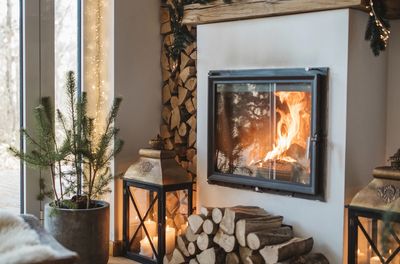
How to Use and Maintain a Wood-Burning Fireplace
A First-Time Homeowner’s Guide
Few home features bring warmth and charm like a real wood-burning fireplace. But before you light your first log, it’s essential to understand how to use it safely and maintain it properly. Here’s everything a first-time homeowner needs to know about using, cleaning, and caring for a wood-burning fireplace.
Understanding How a Wood-Burning Fireplace Works
A traditional wood-burning fireplace includes several key parts:
- Firebox: Where wood burns.
- Chimney & Flue: Vent smoke and gases outdoors.
- Damper: Controls airflow and prevents drafts.
- Hearth: Protects your floor from embers.
When you open the damper and light a fire, hot air rises through the flue, drawing fresh air in. If the flue is blocked or the damper is closed, smoke will flow back into your home — never light a fire without checking airflow first.
Step-by-Step: How to Safely Use Your Fireplace
1️⃣ Get a Professional Chimney Inspection
Before your first fire, hire a certified chimney sweep to inspect and clean the chimney.
Creosote buildup is a major cause of chimney fires. The NFPA recommends yearly inspections, even for light fireplace users.
2️⃣ Choose the Right Firewood
Use seasoned hardwoods like oak, maple, or birch. Avoid wet or “green” wood, softwoods (like pine), and any painted or treated lumber.
💡 Store your firewood off the ground in a dry, ventilated space.
3️⃣ Open the Damper Before Lighting
Always open the damper fully to allow smoke to escape. To test the draft, light a rolled-up newspaper under the flue — if the smoke rises, you’re good to go.
4️⃣ Build the Fire Safely
Try the top-down method:
- Place large logs at the bottom.
- Stack smaller logs and kindling on top.
- Add newspaper or fire starters.
- Light from the top — it burns downward, producing less smoke.
🔥 Never use gasoline, lighter fluid, or accelerants.
5️⃣ Keep Safety Tools Nearby
Have these on hand:
- Fire screen or glass doors
- Fire extinguisher
- Smoke and carbon monoxide detectors
💡Regularly test your detectors to ensure they’re working properly.
How to Clean and Maintain a Wood-Burning Fireplace
1. Remove Ashes Regularly
Let ashes cool completely, then use a metal shovel and store them in a metal lidded container outside. Leave about an inch of ash in the firebox to help maintain heat in future fires.
2. Clean the Glass Doors
To remove soot buildup:
- Wipe the glass with a damp towel dipped in cold ashes.
- Rinse with a vinegar-water mix for a streak-free finish.
Avoid ammonia-based cleaners that can damage glass.
3. Watch for Creosote Buildup
Creosote looks shiny or tar-like inside your flue — even ⅛ inch is a fire hazard.
If you see dark residue, smell heavy smoke, or notice poor airflow, call a chimney sweep immediately.
4. Inspect Chimney & Cap
Your chimney cap keeps animals, leaves, and rain out. Inspect it yearly for rust, damage, or debris.
If you hear birds or smell dampness near the fireplace, there may be a blockage.
5. Schedule Yearly Maintenance
Every year, schedule:
- A professional chimney cleaning
- A safety inspection for cracks, leaks, and masonry issues
These small services can prevent costly repairs — or worse, a house fire.
When to Call a Professional
Stop using your fireplace and contact a professional if:
- Smoke fills your home even with the damper open
- You smell tar or burning odors
- The firebox shows cracks or loose mortar
- Excess soot or ash falls into the hearth
Your fireplace may need repairs before it’s safe to use again.
Pro Tips for a Better Fireplace Experience
- Warm the flue on cold days by burning a small piece of newspaper first.
- Use a proper fireplace tool set — never your hands.
- Build smaller, hotter fires for less creosote buildup.
- Always extinguish embers before bed.
Conclusion: Enjoy the Warmth, Keep It Safe
A well-maintained fireplace is more than a cozy feature — it’s a safe, efficient source of heat that adds charm to your home. By burning seasoned wood, cleaning regularly, and getting yearly inspections, you’ll enjoy the glow of your fireplace with peace of mind all winter long.