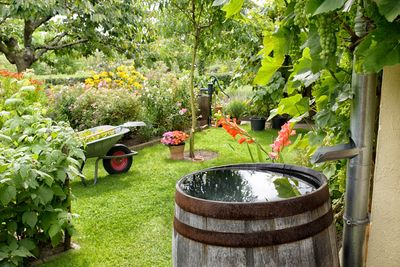
How to Make Your Yard More Eco-Friendly
Simple Steps for a Greener Outdoor Space
Creating an eco-friendly yard doesn’t just benefit the planet — it enhances your home’s beauty, supports local wildlife, and can even reduce maintenance costs. Whether you have a large garden or a small patch of grass, there are easy, sustainable changes you can make. Here’s how to transform your yard into a thriving, environmentally friendly oasis.
🌿 1. Add a Rain Garden to Manage Stormwater Naturally
A rain garden is a shallow, landscaped area designed to collect and filter rainwater runoff from roofs, driveways, and patios. Instead of letting water wash pollutants into storm drains, a rain garden allows it to soak slowly into the ground.
Benefits of a rain garden:
- Reduces flooding and erosion
- Filters pollutants before they reach waterways
- Recharges groundwater supplies
- Provides habitat for beneficial insects and birds
To create one, choose a low-lying area at least 10 feet from your home’s foundation. Use deep-rooted native plants and grasses that thrive in both wet and dry conditions.
🌸 2. Plant Native Species to Support Pollinators and Wildlife
Native plants are the backbone of an eco-friendly landscape. They’re adapted to your region’s climate, require less water and fertilizer, and provide vital food and shelter for pollinators like bees, butterflies, and hummingbirds.
Examples of pollinator-friendly native plants:
- Eastern U.S.: Coneflower, milkweed, black-eyed Susan
- Western U.S.: California poppy, lupine, yarrow
- Southern U.S.: Coreopsis, blanket flower, salvia
Mix flowering perennials, shrubs, and trees that bloom at different times of year to provide continuous food sources. Avoid planting invasive species that can crowd out native ecosystems.
🌎 3. Ditch Harsh Chemical-Based Lawn Products
Conventional pesticides, herbicides, and fertilizers can harm soil health, pollute waterways, and endanger pets and wildlife. Instead, choose natural and organic alternatives that promote a balanced ecosystem.
Eco-friendly yard care alternatives include:
- Compost or organic fertilizers to enrich the soil naturally
- Mulch to retain moisture and suppress weeds
- Integrated pest management (IPM) to control insects without toxic sprays
- Aerating and overseeding your lawn to strengthen grass health naturally
Even better — consider reducing your lawn size and replacing part of it with groundcovers or wildflower meadows that require minimal upkeep.
🌻 Final Thoughts: Every Green Step Counts
Creating an eco-friendly yard is about working with nature, not against it. By adding a rain garden, planting native species, and avoiding chemicals, you’ll create a sustainable landscape that’s beautiful, low-maintenance, and beneficial to the environment. Start small — even a few changes can make a big impact on your home’s environmental footprint and help restore local ecosystems.